


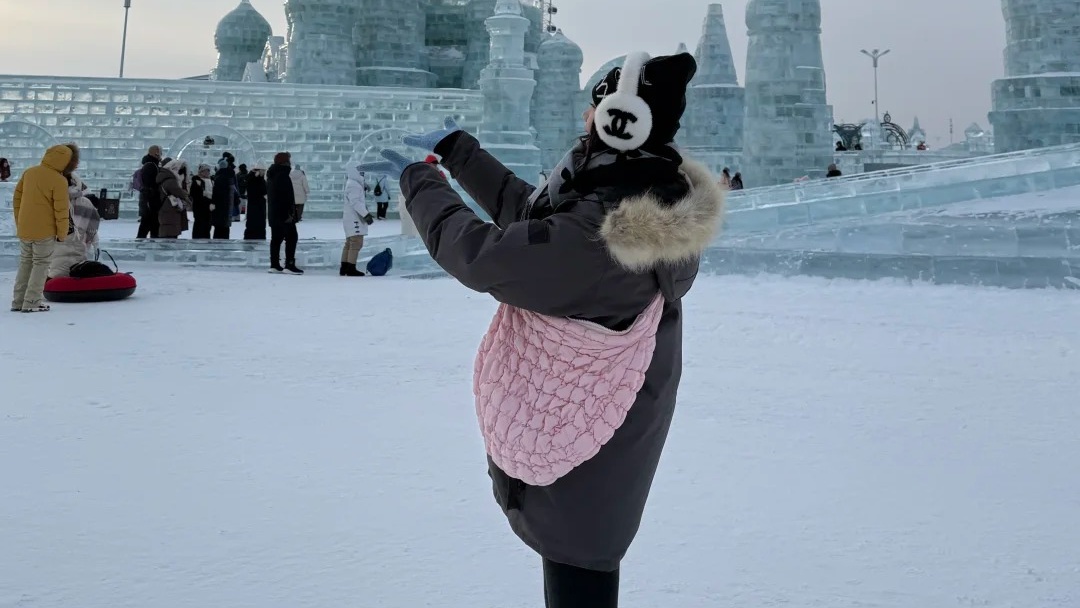
What should you wear for winter in Northeast China? If you are visiting from Malaysia, Singapore, Indonesia or another warm-weather country, the cold can be one of the biggest surprises of the trip. A night at Harbin Ice and Snow World, a beginner ski lesson and a photography stop in China Snow Town require different clothing choices.
This practical 2026–2027 guide explains how to layer up, which boots and accessories matter most, and what to pack for five to seven days. It also covers modest winter clothing for Muslim travelers and what you can reasonably buy or rent after arriving in China.
1. Dress for the Activity, Not Just the Forecast
Harbin often has temperatures well below freezing in midwinter, with particularly cold nights. Mountain resorts can feel colder when wind, snow or long lift queues are involved. Farther north, Mohe can be colder still. Wind, damp clothing and time spent outdoors can matter as much as the number shown in a weather app.
| Where or what | Main exposure | Clothing priority |
|---|---|---|
| Harbin city sightseeing | Switching between heated interiors and cold streets | Removable layers and slip-resistant boots |
| Harbin Ice and Snow World | Slow walking, standing for photos and evening cold | Extra insulation, wind protection, warm hands and feet |
| Yabuli, Songhua Lake or Changbai Mountain skiing | Exercise, sweat, snow contact and cold lifts | Moisture-wicking base layers and water-resistant ski outerwear |
| China Snow Town or forest photography | Standing still and walking on snowy surfaces | Insulated boots, mittens and spare dry accessories |
| Mohe or other extreme-cold excursions | Severe cold and exposed skin | Full cold-weather protection and frequent warm shelter breaks |
The rule: plan for the coldest part of your day and how active you will be, not only the forecast daytime high.
2. The Three-Layer Winter Clothing System
Base layer: Keep sweat away from your skin
Wear long thermal underwear made of merino wool or moisture-wicking synthetics. Both work better for active winter travel than a cotton T-shirt, which can remain damp after sweating. Choose a comfortable fit that does not restrict movement.
Mid-layer: Hold warmth in
Fleece, wool or a lightweight insulating jacket can trap warmth between your base layer and coat. Add or remove insulation according to the wind, your activity and how long you are outdoors.
Outer layer: Block wind and snow
For cold city sightseeing, a well-insulated, wind-resistant winter coat may work best. For skiing, choose a ski jacket and trousers that protect against wind and moisture while allowing movement. Thick clothing alone is not enough if snow or sweat leaves it wet.
3. What to Wear for Harbin Sightseeing and Skiing
Ice and Snow World: Insulation for Standing Around
Wear thermal top and leggings, an insulating middle layer, a long warm coat, winter trousers, an ear-covering hat, neck protection, gloves or mittens and insulated boots with reliable grip. Bring a spare pair of gloves in case the first gets damp. Thin touchscreen glove liners can make photographing ice buildings easier without exposing bare fingers for long.
Ski Resorts: Waterproof Clothing and Proper Equipment
Wear wicking thermals, a flexible insulating layer, ski trousers, a protective jacket, waterproof gloves, goggles and a properly fitted ski helmet. Jeans are a poor choice: they restrict movement and become uncomfortable when wet. Ski boots or snowboard boots are specialist equipment, not ordinary winter walking shoes.
Use one well-fitting pair of ski socks, not two thick pairs. Doubling up can make boots too tight and reduce comfort. Ask the rental team to adjust your boots if you feel pressure or numbness.
Winter Boots and Ice Grips
For streets, Snow Town and walks between resort buildings, choose insulated, water-resistant boots with grippy soles. Leave enough room for warm socks without squeezing your toes. Removable ice grips can help on some icy walkways, but may be slippery or prohibited on smooth indoor floors; remove them where required.
4. Modest Winter Clothing and Hijab Tips
For Muslim travelers who prefer greater coverage, thermal tops, full-length insulated trousers and longer winter coats can provide warmth without requiring a separate wardrobe. A long coat is useful for city sightseeing, but ski clothing should remain secure and allow full movement.
- For general sightseeing: A warm, closely fitted hijab or head covering can sit beneath a coat hood, with a neck warmer protecting gaps around the collar. Avoid fabric that stays wet against the skin.
- For skiing: Avoid long scarf tails, flowing skirts or loose fabric near lifts and equipment. A close-fitting sports hijab may be suitable only if the helmet still fits and fastens correctly, consistent with the helmet manufacturer’s guidance. Do not modify or compromise the helmet fit.
- For families: Pack a spare dry head covering and gloves for snow activities, and choose outfits that can be adjusted comfortably in heated indoor spaces.
If you need a female instructor or a private changing arrangement, ask the resort ahead of time; such services should not be assumed available. For broader advice on meals and prayer during a China trip, see Traverse China’s Muslim travel guide.
5. Northeast China Winter Packing List for 5–7 Days
These quantities suit a trip with city sightseeing and perhaps one or two snow activities. Adjust them for laundry access, personal needs and your cold-weather tolerance.
| Item | Suggested quantity | Notes |
|---|---|---|
| Thermal tops and leggings | 2–3 sets | Merino or wicking synthetic |
| Fleece, wool or insulating mid-layers | 2 pieces | Choose pieces that fit under your coat |
| Wind-resistant insulated winter coat | 1 | Warm enough for outdoor sightseeing |
| Warm winter trousers | 2 pairs | Layer over thermals |
| Water-resistant ski jacket and trousers | 1 set if skiing | Check rental options first |
| Insulated winter walking boots | 1 pair | Good grip and enough toe space |
| Everyday warm socks | 4–6 pairs | Bring spare dry pairs |
| Ski socks | 1–2 pairs if skiing | Wear one pair at a time |
| Warm gloves or mittens | 2 pairs | One spare pair |
| Winter hat and neck warmer | 1–2 sets | Protect ears and neck |
| Goggles and ski helmet | If skiing | Confirm availability and fit at rental shop |
| Lip balm, moisturizer and sunscreen | Travel sizes | Dry air and snow glare |
| Power bank and charging cable | As needed | Keep electronics protected from extreme cold |
Small extras worth packing: sunglasses for bright snow, touchscreen glove liners, a spare dry head covering if needed, and a small bag for damp accessories. Hand warmers can add comfort, but follow their instructions and do not place them directly against bare skin or use them while sleeping.
6. What to Bring, Buy or Rent — and How to Stay Safe
Bring Essential Clothing Before You Land
Arrive with a warm coat, appropriate shoes, thermal layers and gloves. Do not rely on shopping after landing: you may have to wait outdoors for transport before reaching a store. Well-fitting footwear, base layers and uncommon sizes are often easiest to arrange at home.
Buy Extras or Rent Ski Gear in China
Harbin and other major cities have shops selling winter accessories, but quality and sizing vary. Ski resorts may rent boards or skis, boots and helmets; some also rent jackets, trousers or goggles. Check exactly what is included before paying. Personal thermals, socks and close-fitting headwear are best brought yourself.
Recognize When the Cold Is Becoming Dangerous
Unusual numbness or pale, waxy-looking skin may indicate frostbite. Intense shivering, unusual clumsiness, confusion or extreme tiredness can signal more serious cold exposure. Move into shelter, replace wet clothing and seek medical help promptly when symptoms appear; hypothermia is a medical emergency. Do not rub suspected frostbite or warm numb skin against a heater or other intense heat source.
Children, older travelers and anyone unfamiliar with severe cold may need shorter outdoor sessions. Warm breaks are part of a good winter holiday, not a failure to explore.
Pack for the Experience You Want
For Harbin’s illuminated ice attractions, prioritize insulation and dry, warm feet. For skiing, prioritize moisture control, protective outerwear and correctly fitted equipment. For Snow Town photography or remote northern scenery, prepare for long periods outdoors and plan where to warm up.
Still choosing your destination? Read Traverse China’s guide to the best places to see snow in China. For a private winter trip that takes account of transfers, family needs and dietary preferences, explore Traverse China.
Information reviewed: 10 November 2026. Actual temperatures and snow conditions vary. For safety and layering guidance see the US National Weather Service’s extreme cold advice, CDC frostbite guidance and REI’s ski clothing guide.