


YUNNAN MUSLIM TRAVEL GUIDE | UPDATED NOVEMBER 2026
Is Yunnan a good destination for Muslim travellers? Yes, especially if you want to experience China’s old towns, mountain landscapes and local Muslim heritage in one trip. Kunming has an established Hui Muslim community and a useful range of halal dining options. Dali adds lakeside scenery, Bai culture and historic Muslim communities. Lijiang is worth visiting for its Naxi heritage and Jade Dragon Snow Mountain, but halal meals require more planning.
The important thing is knowing where that convenience changes.
A halal restaurant near your hotel in Kunming is relatively easy to plan for. Finding suitable food during a full day around Erhai Lake takes more preparation. In Lijiang, staying inside the famous old town doesn’t guarantee that a halal restaurant will be within walking distance. And if you’re going up Jade Dragon Snow Mountain, both the meal arrangements and the altitude deserve attention before you book.
For most first-time Muslim visitors, we’d recommend seven to eight days for Kunming, Dali and Lijiang. Add Shangri-La only if you have more time and are comfortable with the higher elevation and more limited dining options.
This guide covers where to stay, what to eat, mosques worth checking, realistic transport times and how to build a journey that works for your family.
Is Yunnan Muslim-Friendly? The Practical Answer
Yunnan has centuries of Muslim history, particularly among its Hui communities. But the province is large and culturally diverse, so the travel experience varies considerably between cities and rural mountain areas.
Here’s how we’d approach the main destinations.
Kunming — The easiest starting point
Halal dining: Relatively convenient in established Muslim neighbourhoods.
Prayer: Historic and active mosques, including Shuncheng Mosque.
Recommended stay: 1–2 nights, longer if you want a Stone Forest excursion.
What to remember: Pick a hotel with convenient access to suitable restaurants rather than assuming all areas of the city offer the same choices.
Dali — A good balance of scenery and Muslim heritage
Halal dining: Suitable options can be found around parts of Dali’s old town and established Hui communities.
Prayer: Historic mosques exist in the wider Dali region. Verify current access and facilities.
Recommended stay: 2 nights, or 3 if you want to explore beyond the main tourist areas.
What to remember: A full day around Erhai Lake may take you away from convenient halal restaurants. Plan the lunch location with your driving route.
Lijiang — Beautiful, but more preparation is needed
Halal dining: Available options are more limited and location-dependent than in Kunming.
Prayer: Lijiang’s Muslim heritage includes mosques such as Beimen Mosque; confirm the current location, access and arrangements before visiting.
Recommended stay: 2–3 nights.
What to remember: Jade Dragon Snow Mountain is a high-altitude attraction. Cable-car tickets, weather conditions and suitable meals need advance planning.
Shangri-La — Worth considering as a separate extension
Halal dining: More limited and requiring individual verification.
Prayer: Don’t assume a mosque or dedicated prayer facility will be available along the sightseeing route.
Recommended stay: 2 nights if included.
What to remember: Shangri-La is around 3,300 metres above sea level. It is not simply another low-altitude old town to add to an already busy itinerary.
Our recommendation: If reliable halal dining, shorter transfers and a comfortable family pace are priorities, start with Kunming, Dali and Lijiang. You don’t need to visit every major destination in Yunnan to have a rewarding trip.
1. Kunming: Start with the City, Its Muslim Community and Local Food
Kunming is more than an airport stop on the way to Dali. It’s a useful introduction to Yunnan’s culture and one of the easier places in the province to organise halal meals.
The city has long-established Hui communities, historic mosques and restaurants serving Chinese Muslim food alongside regional Yunnan dishes.
Where should Muslim visitors look for food?
One useful starting point is Shuncheng Street (顺城街) and its surrounding neighbourhood, in central Kunming.
The area is associated with the city’s historic Muslim community and Shuncheng Mosque. You can search the surrounding streets on a Chinese map app for 清真餐厅, which means halal restaurant.
Don’t assume every shop on the street is halal, though. Check the restaurant’s current signage, menu and food preparation according to your requirements.
For accommodation, central Kunming can be convenient if you want to combine restaurants, local sightseeing and access to transport. The exact hotel location should still be checked against the railway station you intend to use.
Shuncheng Mosque: A piece of Kunming’s living Muslim history
Chinese name: 顺城清真寺
Location: Dunren Lane, Shuncheng Street, Wuhua District, Kunming.
Shuncheng Mosque dates back to the Ming dynasty and has been rebuilt and expanded over the centuries. It remains associated with Kunming’s Muslim community.
This is more meaningful than treating the mosque as an ordinary sightseeing stop. It gives visitors a connection to the history of Islam in southwest China, where local religious life developed alongside regional Chinese culture.
If you would like to visit or pray, verify current opening arrangements, permitted visitor areas and any facilities you specifically need. Don’t assume that entry to the grounds automatically includes access to every prayer area.
What else is worth doing in Kunming?
Green Lake Park (翠湖): A pleasant city stop where you can see local life rather than spending the entire day inside tourist attractions.
Kunming Old Street (昆明老街): Worth exploring for historic streets and local architecture. Choose restaurants separately based on your dietary requirements.
Stone Forest (石林): A major limestone landscape outside the city. It deserves a proper half-day or longer rather than being squeezed into an airport arrival schedule.
For a family arriving after an international flight, we’d generally keep the first afternoon simple. Settle into the hotel, arrange a suitable meal and leave the longer excursion for the following day.
2. Dali: Erhai Lake, Bai Culture and a Muslim Heritage Worth Exploring
Dali is often described as the relaxing part of a Yunnan holiday. That can be true, but only if you give it enough time.
One rushed day of driving around Erhai Lake won’t give you much opportunity to enjoy the lakeside villages, Bai architecture or local cultural life.
For a first visit, we’d generally allow at least two nights.
Where should you stay in Dali?
The first thing to know is that Dali Railway Station is in the Xiaguan urban area, not inside Dali Old Town. You’ll still need an onward transfer after arriving by train.
For visitors interested in walking around the historic streets and exploring the lake’s western side, staying in or near Dali Old Town can be convenient.
A lakeside hotel may offer better views, but it isn’t automatically more practical for halal meals or evening transport. Compare the hotel with the actual restaurants and sightseeing locations you intend to use.
How should you visit Erhai Lake?
Erhai is a large lake, and a full circuit takes much more time than many first-time visitors expect.
Rather than spending the whole day moving between crowded photo stops, consider choosing one or two areas to explore properly.
The western lakeshore: Useful for relaxed walking, cycling on permitted sections of the ecological corridor and views of the lake with Cangshan Mountain behind it.
Xizhou Ancient Town (喜洲古镇): Worth visiting for traditional Bai architecture, courtyards and local village culture. It makes a good cultural stop rather than another quick viewpoint.
Dali Old Town: Best enjoyed with time to wander beyond the busiest shopping streets.
If your family prefers a slower pace, I’d choose a shorter lakeside route with a comfortable lunch stop over a full-day circuit of the entire lake.
What about halal food in Dali?
Dali has historic Hui communities and suitable restaurants, including options around the old-town area. But don’t assume every restaurant beside Erhai Lake or in a Bai village is halal.
This is particularly important if your day involves several hours away from town.
Identify a suitable lunch location before setting out. If no verified restaurant fits the route, discuss an appropriate alternative in advance instead of waiting until everyone is hungry.
A more interesting Muslim heritage experience: Donglianhua Village
If you’re interested in history beyond the main tourist attractions, consider Donglianhua Village (东莲花村) in Weishan County, south of the Dali urban area.
According to the Weishan County Government, Donglianhua is a Hui village established during the Ming dynasty, with more than 600 years of history.
Its identity is closely connected to Islam, local architecture and the historic caravan trade.
The village developed through the Tea-Horse Road trading networks, and its historic courtyards reflect the prosperity of merchants who once moved goods across southwest China.
This offers something different from a conventional lake-and-old-town itinerary. Rather than simply observing a famous attraction, visitors can learn how trade, religion and local community life shaped a village over generations.
However, Donglianhua isn’t inside Dali Old Town. It requires a separate transfer and enough time to make the visit worthwhile. Confirm current visitor access to historic buildings and the mosque before planning the excursion.
Who we’d recommend this to: Travellers interested in Chinese Muslim heritage, traditional architecture and regional history, especially those with an extra day in Dali.
For a shorter family holiday, enjoying Dali Old Town, Erhai Lake and Xizhou may be a better use of your time.
3. Lijiang: Naxi Heritage, Old Towns and the Snow Mountain
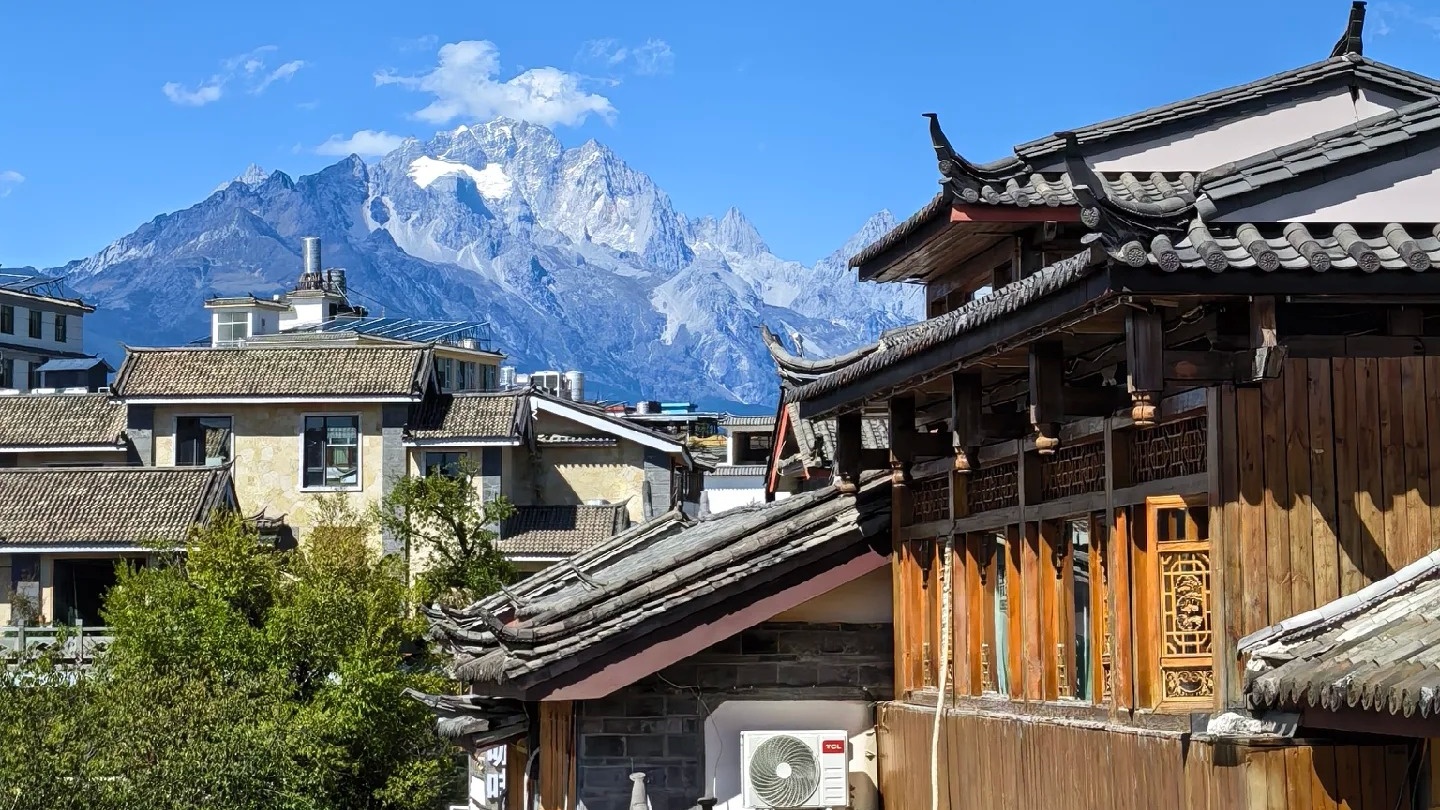
Lijiang is one of Yunnan’s most recognisable destinations. Its old town is known for wooden houses, narrow lanes and waterways, while Jade Dragon Snow Mountain rises beyond the city.
But there are two different kinds of days to plan here: relaxed cultural sightseeing around the old town, and a much more demanding trip to the snow mountain.
Is Lijiang Old Town worth visiting?
Yes, particularly if you’re interested in Naxi culture and traditional architecture.
The UNESCO-listed Old Town of Lijiang reflects centuries of interaction among different communities along the historic Tea-Horse trade routes.
The heritage area includes Dayan Old Town as well as the historic settlements of Baisha and Shuhe.
For a more interesting experience, don’t spend all your time shopping along the busiest central streets.
Baisha (白沙): A worthwhile stop for Naxi cultural heritage, traditional buildings and, where available, local crafts and historic murals.
Shuhe (束河): Another historic settlement with old lanes and architecture associated with regional trading history.
Dayan Old Town (大研古城): Enjoy the streets and canals, preferably allowing time outside the busiest evening period.
If your family is genuinely interested in cultural experiences, a suitable local craft workshop or heritage visit can be more memorable than adding another souvenir street.
Where can Muslim visitors eat in Lijiang?
Lijiang has Muslim heritage and halal dining options, but availability is more limited than in Kunming and depends on the neighbourhood.
Don’t choose a hotel solely because it’s inside the famous old town. Some suitable restaurants may be outside the pedestrian streets, requiring a walk or vehicle transfer.
For the snow mountain day, arrange the meal plan before leaving Lijiang. Restaurants within a scenic area should not automatically be treated as suitable for every halal requirement.
What about Lijiang’s mosques?
Lijiang’s Muslim history is associated with Hui communities and mosques, including Beimen Mosque (北门清真寺).
If visiting a mosque is important, confirm its current address, access arrangements, prayer facilities and whether the visit fits your actual daily route.
For Friday prayers, leave enough time for transport and check arrangements beforehand. A mosque being listed on a map does not establish that every visitor can enter every area at any time.
4. Jade Dragon Snow Mountain: What First-Time Visitors Need to Know
Jade Dragon Snow Mountain is one of the main reasons many travellers choose Lijiang. But it’s also where a relaxed Yunnan itinerary can become much more demanding.
The mountain has several different cable-car experiences. They are not all the same, and a ticket for one doesn’t automatically give access to another.
Glacier Park Cableway: The high-altitude option
The Glacier Park cable car reaches approximately 4,506 metres. From the upper station, visitors may continue along a designated walkway towards the viewing area at approximately 4,680 metres, depending on access and conditions.
That is a serious altitude for visitors arriving from sea level.
The cable car reduces the physical effort of ascending, but it doesn’t remove the effects of altitude. Some visitors experience headache, dizziness, nausea or unusual fatigue.
The US Centers for Disease Control and Prevention advises gradual acclimatisation for high-altitude travel. Travellers with relevant medical conditions should seek medical advice before the trip.
If symptoms worsen at altitude, don’t continue ascending. Seek assistance and descend as appropriate.
Do you have to take the highest cable car?
No. That is an important decision for families.
Jade Dragon Snow Mountain also has lower-elevation sightseeing options, including the Spruce Meadow area.
The best choice depends on what you want to see, which facilities are operating, the weather and your group’s suitability for high altitude.
You don’t need to visit the highest observation point simply because it’s the most famous.
Buy the cable-car ticket before building the rest of the day
Popular Jade Dragon Snow Mountain cable-car tickets can sell out, particularly during busy travel periods.
In September 2026, China Tourism News reported strong demand for Glacier Park tickets and the need for the operator to improve the booking experience.
Check the official ticketing channel and current reservation requirements before finalising the rest of your sightseeing schedule.
Weather may also interrupt cable-car operations, so it’s worth having an alternative programme.
What about Blue Moon Valley?
Blue Moon Valley is a scenic area often combined with a Jade Dragon Snow Mountain visit.
Its turquoise pools and mountain backdrop make it attractive even for travellers who decide against the highest glacier cable car.
However, it still requires transport and time inside the wider scenic area. Don’t assume you can comfortably visit every attraction and return to the hotel early.
Our recommendation: Give the snow mountain a dedicated day. Confirm tickets and weather, arrange suitable food in advance, and choose the cable-car route according to the people travelling with you.
5. What Halal Food Should You Try in Yunnan?
Yunnan’s food culture is much more varied than beef noodles alone.
The province is known for rice noodles, mushrooms, local herbs, preserved meats, dairy products and regional cooking traditions. Hui Muslim communities also have their own distinctive food heritage.
The important point is that a traditional Yunnan dish is not automatically halal. Look for a suitable restaurant and confirm the ingredients and preparation.
Crossing-the-Bridge Rice Noodles — 过桥米线
One of Yunnan’s best-known dishes. Rice noodles and other ingredients are added to a hot broth, often served in a large bowl.
Traditional versions may contain pork, chicken or mixed meat broth. At an appropriate halal restaurant, look for a version prepared with suitable meat and broth.
Don’t assume that simply replacing the meat topping makes the whole dish halal.
Yunnan Dried Beef — 牛干巴
Dried beef is part of Yunnan’s food culture and can be served sliced, fried or combined with vegetables and herbs.
It is worth trying from a suitable halal restaurant or producer, particularly if you’re interested in Hui regional cooking.
Check the meat source and seasonings rather than assuming every dried-beef product meets your requirements.
Muslim-Style Fried Bread — 油香
Youxiang is a fried bread associated with Chinese Muslim food traditions.
It can be a particularly interesting snack when exploring Hui neighbourhoods, because it is connected to local community food culture rather than simply being another tourist street food.
Choose a suitable vendor and check preparation if you have strict requirements.
Yunnan Mushroom Dishes
Yunnan is famous for its wide variety of mushrooms.
Mushroom dishes can be a memorable part of a regional food experience, but a mushroom hotpot is not automatically halal. Check the broth, sauces, other ingredients and kitchen arrangements.
Wild mushrooms must also be properly identified and cooked; use reputable restaurants rather than experimenting with unfamiliar wild varieties.
Three Foods Worth Checking Carefully
- Small-Pot Rice Noodles (小锅米线): Common versions may contain minced pork or pork-based broth.
- Flower Cakes (鲜花饼): Some pastries use lard or other ingredients requiring verification. Read the ingredient list.
- Lijiang Preserved-Rib Hotpot (腊排骨火锅): The well-known traditional version uses pork ribs, so it is not an appropriate halal choice without a genuinely suitable alternative.
Yak meat, beef and vegetarian-looking dishes should also be checked individually. The name of the ingredient does not prove that the meal meets your requirements.
Useful Chinese phrases to save
清真餐厅
Qīngzhēn cāntīng — Halal restaurant.
请问这家店是清真餐厅吗?
Is this a halal restaurant?
请问这里的肉是清真的吗?
Is the meat here halal?
这个菜里有猪油、猪骨汤或者料酒吗?
Does this dish contain lard, pork-bone broth or cooking wine?
请问有清真认证或相关证明吗?
Do you have halal certification or relevant documentation?
If you have strict certification or preparation requirements, explain them clearly before ordering. A green sign, Arabic writing or the absence of pork on the menu is not a universal guarantee of a particular certification standard.
For a more detailed explanation, see our Halal Food in China guide.
6. Mosques and Prayer Arrangements in Yunnan
Yunnan has a long-established Muslim population and a number of historic mosques. However, prayer planning on a multi-city tour involves more than adding mosque names to the itinerary.
Location, current access, prayer facilities and the day’s transport schedule all matter.
Mosques worth researching for your route
- Kunming — Shuncheng Mosque (顺城清真寺): A historic mosque in central Kunming, around Shuncheng Street.
- Dali — South Gate Mosque: A historic Muslim site associated with the Dali area. Verify the specific location and current access before visiting.
- Lijiang — Beimen Mosque (北门清真寺): Part of Lijiang’s local Muslim heritage. Check access, prayer arrangements and its location relative to your hotel.
- Weishan — Donglianhua Village Mosque: An option for travellers specifically interested in Hui village heritage, subject to current local arrangements.
These are places to investigate, not a promise that all prayer halls, women’s areas or ablution facilities are available to every visitor at all times.
How would we arrange prayer on a travelling day?
If you intend to visit a mosque, identify the actual location before finalising the route. On long sightseeing days, allow realistic travel time for reaching an appropriate stop.
At remote attractions, airports, railway stations or mountain areas, a dedicated prayer room may not be available. Travellers who require particular facilities should discuss them in advance.
For Friday prayers, it’s especially important to check mosque access and the travel schedule before confirming excursions that might take the group far from town.
A private journey gives more flexibility, but it still needs to work around scenic-area reservation times, driving conditions and actual facility availability.
7. A Realistic 8-Day Muslim-Friendly Yunnan Itinerary
For a first visit, we’d usually build the route in this order:
Kunming → Dali → Lijiang
It keeps the journey geographically sensible and avoids unnecessary travel between distant cities.
Day 1 — Arrive in Kunming
Meet your driver, transfer to the hotel and keep the rest of the day flexible according to your flight arrival time.
If you have energy, explore a little of central Kunming and enjoy a meal at a suitable halal restaurant. There’s no need to schedule a major excursion immediately after a long international flight.
Day 2 — Kunming and the Stone Forest
Visit the Stone Forest as the main excursion of the day.
Return to Kunming for a relaxed evening. If your group is interested in local Muslim heritage, consider a visit to the Shuncheng Mosque area, subject to access and the actual schedule.
For families who prefer less travelling, replace the Stone Forest with city sightseeing and local cultural experiences.
Day 3 — Kunming to Dali
Travel to Dali by train. Depending on the selected service and station, the rail journey generally takes about two to three hours.
Allow additional time for station transfers and hotel check-in.
Explore Dali Old Town at a comfortable pace and arrange dinner at a suitable restaurant.
Day 4 — Erhai Lake and Xizhou
Spend the day exploring selected sections of Erhai Lake and nearby Bai cultural areas.
We’d rather choose a comfortable lakeside walk and a meaningful visit to Xizhou than attempt to stop at every viewpoint around the entire lake.
Plan lunch before setting out. The availability of suitable halal restaurants may vary depending on which lakeside villages you visit.
Day 5 — Dali to Lijiang
Travel from Dali to Lijiang by train, generally around 1.5–2.5 hours depending on the service.
Transfer from the station to your hotel and explore Lijiang Old Town in the afternoon.
If the family is tired, leave the longer cultural sightseeing for the next day.
Day 6 — Lijiang’s Naxi Culture
Visit Baisha and Shuhe, with opportunities to explore traditional architecture and local cultural heritage.
Depending on your interests, this could include a suitable craft experience or an introduction to the area’s historic murals and trading history.
Check halal lunch options along the route rather than waiting until you reach a small village.
Day 7 — Jade Dragon Snow Mountain or a Lower-Altitude Alternative
If everyone is comfortable with the altitude and tickets are available, visit Jade Dragon Snow Mountain using the appropriate sightseeing route.
Confirm the cable-car booking, weather and meal arrangements in advance.
For travellers who prefer to avoid the higher glacier cable car, consider a lower-altitude programme around the mountain area, subject to current operating conditions.
Don’t force every family member to visit the highest point simply because the ticket is available.
Day 8 — Depart from Lijiang
Transfer to Lijiang Sanyi Airport or continue by train according to your onward travel arrangements.
If your international flight departs from Kunming, account for the return train journey and station-to-airport transfer. Depending on the timing, an additional overnight stay in Kunming may be safer than relying on a tight same-day connection.
Why we’d choose this route: It allows each destination to have a clear purpose without treating meals, prayer and transport as afterthoughts.
The route can be shortened or extended, but cutting too many nights usually means sacrificing the slower cultural experiences that make Yunnan worthwhile.
8. Should You Add Shangri-La?
Shangri-La is worth considering if you have more time and want to experience Yunnan’s Tibetan cultural region, highland landscapes and a different atmosphere from Dali and Lijiang.
But it’s not an automatic addition for every Muslim family.
High-speed rail connects Lijiang and Shangri-La, with journeys generally taking around 1–2 hours depending on the service. That makes the train connection straightforward, but the destination itself is at approximately 3,300 m above sea level.
Going north by train does not remove the need to consider the altitude.
For a first visit, we’d allow two nights if possible and keep the arrival day relatively light.
Halal restaurant options and prayer arrangements should be verified individually. Don’t assume that a traditional Tibetan-style restaurant is halal because it serves yak meat or vegetable dishes.
If your family wants strict halal-certified dining, needs particular prayer facilities or prefers to avoid significant altitude, discuss whether Shangri-La is a suitable extension before booking.
Our recommendation: With eight days, focus on Kunming, Dali and Lijiang. With ten or more days, Shangri-La becomes a more realistic option for a carefully planned extension.
What about Shadian and other Muslim heritage destinations?
Yunnan also has important Hui Muslim communities outside the main Kunming–Dali–Lijiang route.
Shadian, in the Honghe region, is associated with a major Muslim community and its historic mosque.
However, Shadian is in southeastern Yunnan. It isn’t a quick stop between Dali and Lijiang, and should be planned as a separate heritage excursion with its own transport arrangements.
For travellers especially interested in Chinese Muslim history, a longer journey through Hui communities in Yunnan may be more meaningful than simply adding another conventional tourist attraction.
Our 11-day Yunnan Muslim Heritage & Nature Private Tour is one starting point for exploring a more extensive cultural itinerary.
9. Getting Around Yunnan: Train or Private Vehicle?
For the main route between Kunming, Dali and Lijiang, rail travel is usually a practical choice.
Based on published 2026 rail schedules, typical journey times are:
- Kunming to Dali: Approximately 2–3 hours.
- Dali to Lijiang: Approximately 1.5–2.5 hours.
- Lijiang to Kunming: Approximately 3.5–5 hours.
- Lijiang to Shangri-La: Approximately 1–2 hours.
These are train journey estimates, not door-to-door transfer times. Confirm your chosen service and stations when booking.
Why station location matters
Kunming has more than one main railway station, including Kunming Railway Station and Kunming South. The correct one depends on your train.
Dali Railway Station is not located inside Dali Old Town, and Lijiang Railway Station is outside the historic town.
When travelling with children, older relatives or substantial luggage, station transfers can make the day more tiring than the train ride itself.
This is where a private vehicle can be particularly helpful: collecting your group from the station, transferring luggage and connecting to sightseeing or a suitable restaurant.
You don’t necessarily need a private vehicle for every intercity journey. A combination of rail travel and arranged local transfers may work better.
Don’t rely on train food being halal
If your journey overlaps with lunchtime, prepare a suitable meal before boarding or arrange food after arrival.
Standard train catering should not automatically be considered halal.
Bring your passport or other required travel identification and follow the current railway ticketing rules.
10. When Is the Best Time to Visit Yunnan?
Yunnan’s climate varies significantly by region and elevation. Kunming’s relatively mild weather doesn’t describe conditions on Jade Dragon Snow Mountain or in Shangri-La.
March to May: A strong choice for families
Spring is an attractive period for Kunming, Dali and Lijiang, with generally pleasant sightseeing conditions.
It can be a good time for walking through old towns, visiting villages and exploring lakeside areas without the colder nights of winter.
June to August: Green landscapes, with more rain
Summer is the wetter season in much of Yunnan. Landscapes can be lush, but rain and cloud cover may affect mountain views and outdoor plans.
Build some flexibility into Jade Dragon Snow Mountain and other weather-sensitive excursions.
September to November: Another good travel window
Autumn is worth considering for cultural sightseeing, old towns and highland landscapes.
Conditions vary by month and location, so check local forecasts rather than assuming the weather will be identical across all three cities.
December to February: Cooler cities and colder mountains
Winter can be a rewarding time for clear mountain views and quieter cultural sightseeing outside major holiday periods.
But Lijiang evenings can be cold, and the snow mountain requires proper winter clothing. Shangri-La can be considerably colder again.
If your main priority is a comfortable family cultural holiday rather than snow scenery, we’d generally start by comparing spring and autumn dates.
11. Seven Things We’d Check Before Booking a Muslim-Friendly Yunnan Tour
- Where are the actual halal restaurants? Not just which cities have them. Check each restaurant against the day’s sightseeing route and hotel.
- What level of halal assurance do you need? A restaurant displaying 清真, a Muslim-operated kitchen and formally certified food are not always equivalent. Confirm the standard your family requires.
- Are halal meals included in the tour price? Meal planning assistance and prepaid meals are different services. Ask which meals, if any, are included in the confirmed quotation.
- What is the hotel breakfast arrangement? A well-rated hotel may serve a standard buffet rather than a halal-certified breakfast. Confirm what is available instead of assuming the buffet is suitable.
- Can prayer arrangements work with the route? Check the distance to relevant mosques, the availability of appropriate facilities and the time required for transport.
- How high will you travel? A relaxed day in Dali is different from visiting Jade Dragon Snow Mountain’s Glacier Park. Consider altitude exposure, medical needs and a suitable alternative.
- How many hours are spent moving between places? Train times, station transfers, sightseeing transport and hotel changes all affect the real pace of the trip.
A good itinerary should be clear about these details before you pay, not simply label the whole holiday “Muslim-friendly”.
Frequently Asked Questions About Muslim Travel in Yunnan
Is Yunnan suitable for Muslim tourists?
Yes. Yunnan has established Muslim communities, historic mosques and halal dining options, particularly in Kunming and parts of Dali. Availability becomes more location-dependent in Lijiang and remote highland areas, so the actual route needs planning.
Is halal food easy to find in Kunming?
Kunming is generally one of the easier destinations in Yunnan for halal dining. The Shuncheng Street area is a useful place to begin searching, but check individual restaurants and your specific dietary requirements.
Are there mosques in Dali and Lijiang?
Both areas have Muslim heritage and historic mosques. However, current access, prayer facilities and visitor arrangements should be confirmed before including them in an itinerary.
Can Muslim travellers visit Jade Dragon Snow Mountain?
Yes. The key considerations are high altitude, cable-car reservations, weather conditions and suitable meal arrangements. Visitors do not have to choose the highest glacier cable car if it isn’t appropriate for their group.
How many days do you need for Yunnan?
Seven to eight days is a sensible starting point for Kunming, Dali and Lijiang. Allow around ten days or more if you also want to explore Shangri-La without rushing.
Do Muslim families need a private tour in Yunnan?
Not necessarily. Independent travel is possible, particularly between the main cities by rail. Private arrangements become more useful for families who want help coordinating halal restaurants, prayer-related stops, luggage, local transport and a flexible sightseeing pace.
Is Shangri-La worth adding to a first Yunnan trip?
It can be, especially if Tibetan culture and highland scenery are major interests. But the higher elevation and more limited halal dining options make it less suitable as a rushed extension for every family.
Our Recommendation: Make Yunnan a Cultural Journey, Not a Race Between Attractions
Yunnan works best when you give its places time to feel different from one another.
In Kunming, that might mean exploring the city’s Hui Muslim food culture and historic neighbourhoods.
In Dali, it could be a slower day around Erhai Lake, visiting Bai communities or exploring the history of a Hui caravan village.
In Lijiang, it might be spending time in Baisha before deciding whether a high-altitude snow mountain visit is right for your family.
You don’t need to add every famous attraction, and you don’t need to make a strict sightseeing schedule work at the expense of meals or family comfort.
For most first-time Muslim visitors, our preferred starting point is an eight-day Kunming–Dali–Lijiang journey, with restaurant locations, prayer needs and transport considered before the daily itinerary is finalised.
Planning a Muslim-Friendly Yunnan Trip?
Tell our China-based team your travel dates, group size, preferred hotel standard and whether you’d like to focus on nature, Muslim heritage, local culture or a little of everything.
We can help you compare realistic private routes and discuss halal dining requirements, prayer-related arrangements, hotel locations and transport before finalising your journey.
Traverse China arranges private trips for your own travel party, rather than shared group departures. Any included meals and special arrangements will be specified in your confirmed quotation.
Plan Your Private Yunnan Journey →
If you’re looking for a longer cultural itinerary, explore our 11-Day Yunnan Muslim Heritage & Nature Private Tour.
Research note — updated 2 November 2026: This guide uses current public travel information, published railway schedules, destination heritage records and practical route-planning considerations. Restaurant operations, mosque access, attraction tickets, cable cars and transport schedules may change. Specific halal certification, prayer facilities and meal arrangements must be confirmed before travel.
Selected references: UNESCO — Old Town of Lijiang; China Tourism News — Jade Dragon Snow Mountain cableways; Weishan County Government — Donglianhua Village; CDC — High-Altitude Travel.