

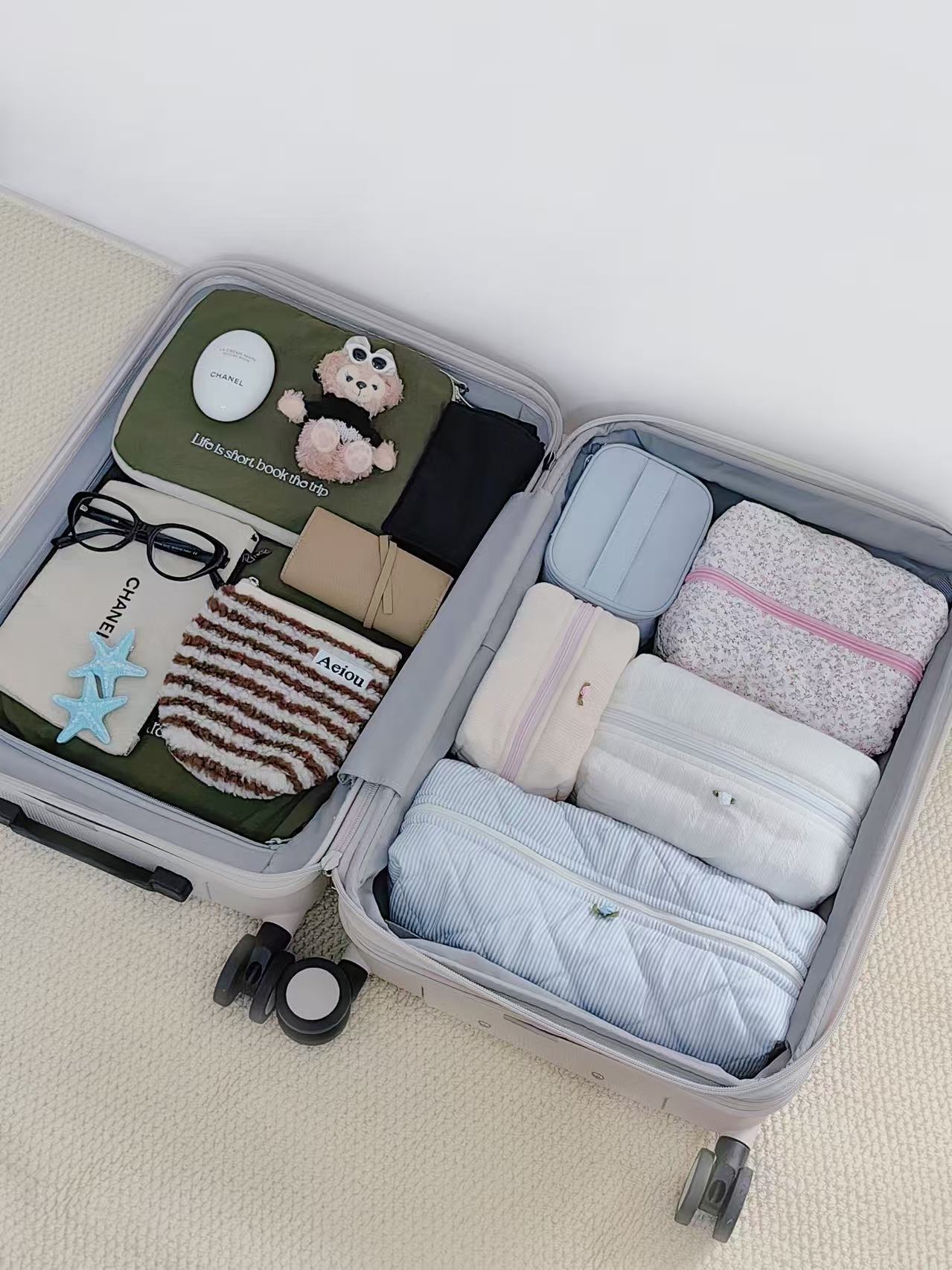
You don’t need seven different winter outfits for a week in China. You need the right layers, shoes that won’t slip, and a coat that can handle the coldest stop on your itinerary.
The difference between destinations is bigger than many first-time visitors expect. A jacket that’s perfectly comfortable in Chengdu may be nowhere near warm enough for Harbin. And the boots that look great in snow photos might be a terrible choice for an icy mountain boardwalk.
For Muslim travellers, there are a few less obvious things to prepare too: halal food information you can actually use in China, bathroom essentials, prayer-related items and airport rules that can catch visitors out.
This Muslim winter packing list for China covers December, January and February, with 15 practical essentials, outfit ideas for different destinations, and a seven-day packing checklist you can save to your phone.
The Quick Answer: What to Pack for 7 Days in China
7 DAYS · CITY SIGHTSEEING + ONE SNOW DAY
Base layers: 2–3 thermal tops and 1–2 thermal leggings
Middle layers: 2 fleeces or warm sweaters
Outer layer: 1 properly insulated jacket for your coldest destination
Trousers: 2–3 everyday pairs; add snow trousers if needed
Feet and hands: 5–7 pairs of socks, suitable shoes and 1–2 pairs of gloves
Head and neck: Warm headwear, scarf or suitable winter hijab layers
Daily essentials: Lip balm, tissues, medication and a small day bag
Muslim travel extras: Saved halal restaurant information, a compact prayer mat or cleansing bottle if useful, and confirmed meal arrangements
This is a starting point for a mixed city-and-snow itinerary, not a packing formula for every destination. A full week in Harbin requires considerably more cold-weather protection than a week in Shanghai or Chengdu.
First, Check Where You’re Actually Going
China doesn’t have one winter climate. Check every destination on your itinerary, particularly if you’re combining cities with mountain attractions.
Harbin, China Snow Town and Yabuli: Pack for Serious Cold
Harbin is a different category of winter travel. Its typical winter temperatures are well below freezing, and outdoor temperatures can drop below -20°C (-4°F). Spending an evening at Ice and Snow World also means standing and walking outside for a long time, often after dark.
This is where an insulated parka, proper thermal bottoms, warm trousers, snow-appropriate boots, gloves and face or neck protection become essential.
Don’t judge your outfit by whether you’re warm while walking briskly for five minutes. Think about how it will feel while standing in a queue or taking photographs outside for an hour.
Indoor heating can be strong, so removable layers are still important. A very warm coat doesn’t mean you need to wear every layer at the hotel breakfast table.
Beijing and Xi’an: Think Wind, Walking and Long Days Outside
Beijing’s winter is generally cold and dry. Wind can make exposed places such as the Great Wall feel much colder than sheltered city streets.
A good combination is thermal clothing, a warm middle layer, a wind-resistant winter coat, gloves and comfortable shoes with grip.
For the Forbidden City, city walks and shopping, comfortable footwear matters just as much as warmth. You may be on your feet for hours.
Xi’an also has cold winter days. Choose your layers according to the forecast and the amount of time spent outdoors, rather than packing heavy snow gear automatically.
Shanghai, Hangzhou, Chengdu and Chongqing: Less Extreme, Sometimes Uncomfortably Damp
These cities generally have milder winters than Harbin, but damp, chilly weather can still feel uncomfortable, especially if you’re used to a tropical climate.
For ordinary city sightseeing, a thermal or long-sleeved base layer, sweater, insulated coat and comfortable water-resistant shoes may be enough, depending on the forecast.
You usually don’t need to buy heavy snow boots for a city-only trip to Chengdu or Shanghai.
But don’t confuse Chengdu city with the snow mountains outside it. A day at Xiling Snow Mountain or a winter trip to Jiuzhaigou needs its own clothing plan.
Jiuzhaigou, Xiling and Western Sichuan: Pack for the Mountain, Not the Hotel City
Mountain destinations can be significantly colder than Chengdu, especially at higher elevations or in windy, shaded areas.
For Jiuzhaigou, prioritize warm layers and footwear with traction for icy or wet paths. For a full snow-play day at Xiling, add water-resistant outer clothing and gloves suited to handling snow.
Check the weather for the actual mountain destination, not simply “Chengdu” in your phone’s weather app.
For more detailed Sichuan outfit combinations, see our Chengdu and Sichuan Winter Clothing Guide.
15 Winter Packing Essentials That Actually Earn Their Luggage Space
1. Thermal Tops and Leggings — Start Here, Not With More Sweaters
For a seven-day trip combining city sightseeing with a snow excursion, 2–3 thermal tops and 1–2 pairs of thermal leggings are a reasonable starting point if you can rotate or wash them.
Choose merino wool or moisture-managing synthetic fabrics for active days. Cotton worn directly against the skin can stay damp after sweating, which becomes uncomfortable in cold conditions.
For Harbin or several days of outdoor snow activities, add warmer or additional base layers. The right number depends on laundry access and how long you’re staying outside.
2. Two Midlayers You Can Mix and Match
A fleece and a wool or warm knit sweater are more versatile than packing several bulky jumpers.
The middle layer traps warmth. It should also be easy to remove when you step into a heated train, museum or restaurant.
For mixed city-and-mountain travel, a fleece that dries quickly is particularly useful.
3. One Winter Coat That Suits Your Coldest Stop
One well-chosen coat is generally more useful than three bulky jackets taking up half the suitcase.
For a milder city itinerary, a suitable insulated coat with wind protection may be enough. For Harbin and prolonged outdoor exposure in severe cold, a substantially warmer parka may be necessary.
Check the insulation, wind protection, hood and weather resistance. A jacket being labelled “puffer” doesn’t tell you how warm it actually is.
Try the coat over all your planned layers before departure. If it becomes tight across the shoulders or arms, it may restrict movement and reduce comfort.
4. Warm Trousers — And Snow Trousers Only When You Need Them
For city travel, two or three pairs of comfortable trousers that work over thermal leggings are usually enough for a week.
Jeans can work for dry city sightseeing. They’re much less appealing for extended snow play because denim absorbs moisture and can remain cold and wet.
If you’re spending hours in snow, consider insulated or water-resistant snow trousers. They don’t need to be a permanent part of your wardrobe if you’re only visiting one snow resort; check suitable rental options before buying specialist clothing.
5. Shoes With Grip — More Important Than Matching Your Coat
The easiest way to spoil a beautiful snow day is to spend it slipping around in smooth-soled boots.
For snowy or icy destinations, choose shoes or boots with appropriate traction, water resistance and enough space for warm socks. Make sure they fit comfortably before the trip.
For ordinary city sightseeing, supportive walking shoes may be the better choice. Heavy snow boots aren’t automatically necessary in Shanghai, Guangzhou or central Chengdu.
One practical rule: Wear new winter shoes at home before travelling. A blister on the first day can be harder to deal with than the cold itself.
6. Warm Socks — And One Dry Pair in Your Day Bag
For seven days, pack around 5–7 pairs of socks, including several warm pairs for colder destinations.
Merino or suitable synthetic-blend socks are often useful for winter walking. Avoid stuffing several thick pairs into boots that are already tight; restricted circulation can make your feet feel colder.
If you’re going into snow, keep one spare dry pair in your day bag. It’s far more useful there than at the bottom of your suitcase.
7. Gloves That Can Handle Snow
Thin knitted gloves are fine for some city walks. They aren’t ideal if you’re making snowballs or handling wet snow.
For a snow day, choose water-resistant insulated gloves. A thin touchscreen-compatible liner pair can make it easier to use your phone without exposing your hands for long.
Take a spare pair if you’re spending a full day in snow. This is particularly useful for children, whose gloves can become wet very quickly.
8. Head, Neck and Hijab Layers That Work Together
A warm hat, scarf or neck gaiter makes a noticeable difference in windy weather, especially when you’re standing outdoors rather than walking.
For women who wear hijab, a breathable inner layer, an appropriately warm outer hijab and a coat with a comfortable hood can work well together.
A few details are worth checking before packing: Does the hood fit over your hijab? Does the scarf become too bulky under the coat? Can you turn your head comfortably?
For skiing or other helmet-based activities, make sure any head covering works with the helmet’s safety fit. Bulky fabric underneath a helmet can interfere with protection.
Long coats, abayas or skirts can be practical for modest winter dressing, but keep hems away from icy ground and ski equipment.
9. Lip Balm, Moisturiser, Sunscreen and Sunglasses
Cold, dry air and heated rooms can leave lips and skin uncomfortable. Bring a lip balm and moisturiser you already know suit your skin.
Sun protection still matters in winter. At snowy or high-altitude destinations, strong sunlight and reflection from snow can be uncomfortable for the eyes and skin.
A small sunscreen and UV-protective sunglasses are worth keeping in your day bag rather than leaving at the hotel.
10. A Small Day Bag With a Dry-Items Pouch
For a day at Jiuzhaigou, Xiling or Harbin Ice and Snow World, a small, comfortable day bag is often more useful than carrying everything in your coat pockets.
Keep spare gloves or socks, tissues, lip balm, essential medication, charging cables and important booking details accessible.
A waterproof pouch or resealable bag is useful for separating damp gloves from dry belongings. Don’t place a wet scarf or gloves directly against spare clothing.
11. A Compact Prayer Kit, If Useful for Your Routine
A thin, foldable prayer mat can be convenient for travellers who prefer carrying their own. It takes less space than a household mat and fits into a day bag.
Save prayer-time and Qibla information for the cities on your itinerary, especially if you’ll have limited mobile data during long transfers.
The important part isn’t the mat itself. It’s understanding the day’s route and what suitable facilities may be available. A remote scenic area should not be assumed to have a dedicated prayer room.
If mosque access or particular prayer arrangements matter to you, discuss them before the sightseeing schedule is confirmed. Individual practices and travel needs differ.
12. A Portable Cleansing Bottle and Small Hygiene Kit
Not every hotel or public washroom has a handheld bidet sprayer beside the toilet.
If water-based cleansing facilities are part of your routine, a compact refillable bottle can be useful. Keep it empty when passing through airport security and refill it where permitted.
Add tissues and a small quick-drying towel. Personal cleansing after using the toilet and wudu are distinct practices, so check the actual washing facilities you may need rather than assuming one item solves both.
In cold weather, also avoid leaving water on public bathroom floors, where it can create a slipping hazard.
13. A Halal Food Search Kit — Saved on Your Phone
This takes no suitcase space and can save a lot of searching after a long journey.
Before departure, use Amap (高德地图) to look up suitable restaurants around your first hotel. Save the Chinese names, addresses and recent operating details.
The most useful search is 清真餐厅 (halal restaurant). For a specific dish, try 清真牛肉面 (halal beef noodles) or 清真火锅 (halal hotpot).
A map listing or a 清真 sign is a starting point, not independent proof of every certification or preparation requirement. Verify what matters to you with the restaurant.
For remote snow destinations, identify a suitable lunch arrangement before the day starts. A hotel in Chengdu may have several restaurant options nearby; a mountain resort may not.
Our Halal Food in China Guide includes Chinese phrases, ingredient checks and more detailed advice for different cities.
14. Phone Charging Gear That Meets China’s Flight Rules
Your phone will be doing a lot of work in China: maps, tickets, translations, payments and photographs. Cold weather can also reduce usable battery performance.
Bring your charging cables, a suitable travel plug adapter and a power bank that complies with the flights on your itinerary.
Important for domestic flights in China: Since June 28, 2025, power banks without a clear CCC (3C) marking, or belonging to recalled models or batches, have been prohibited under the Chinese civil aviation rules.
Power banks belong in cabin baggage, not checked luggage. Battery energy limits also apply: products rated at 100 Wh or below are generally within the standard limit, while those over 100 Wh and up to 160 Wh require airline approval, subject to the airline’s rules.
Don’t judge compliance from the mAh number alone. Check the actual Wh rating, CCC marking, recall status and your airline’s latest policy before travelling.
See the Civil Aviation Administration of China’s official notice.
Before arriving, also set up your mobile data and a supported payment method. International travellers can link eligible overseas bank cards to supported services such as Alipay or WeChat Pay, though compatibility and payment limits vary.
Save your hotel address in Chinese, tickets and essential contact information where you can access them offline.
15. Your Personal Medication and Travel Document Pouch
Keep passports, necessary booking documents, personal medication and important prescriptions together in an accessible pouch.
China generally allows reasonable quantities of ordinary medication for personal use, but controlled medicines may require additional documents, quantity limits or declarations.
Keep medicines in their original packaging where possible. If you take prescription medication, particularly a controlled substance, verify the applicable Chinese entry rules before departure.
For a small first-aid kit, consider blister plasters, adhesive dressings and any personal care products you regularly need. Avoid buying unfamiliar medication simply because a generic packing list recommends it.
Official guidance is available from Shanghai Customs on personal medication.
Three Winter Outfits That Make More Sense Than Packing Seven Separate Looks
A Regular Chengdu or Shanghai City Day
Thermal top when needed + comfortable trousers + fleece or knit sweater + insulated coat + supportive walking shoes.
Keep a scarf or gloves in your bag if the forecast is cold. The advantage of this combination is being able to remove the sweater or coat indoors without changing your entire outfit.
A Snow Day at Xiling or Jiuzhaigou
Thermal top and leggings + warm middle layer + insulated, weather-appropriate jacket + warm or water-resistant outer trousers + suitable boots + gloves + warm head and neck covering.
Add spare dry socks and gloves to your day bag. For a resort snow-play day, check which specialist clothing or equipment can be rented and which personal items you should bring yourself.
An Evening Outside in Harbin
Warm thermal top and leggings + insulating middle layer + suitably rated winter parka + insulated trousers + warm boots + protective gloves + hat and face or neck protection.
Outdoor time matters here. Dressing for a short walk between heated buildings is different from spending several hours at an ice festival. Check the actual temperature and wind forecast, and allow regular indoor breaks.
Before Packing Snacks: China’s Customs Rules Are Different From Halal Rules
Halal-certified food isn’t automatically allowed through Chinese customs.
China’s passenger-entry restrictions prohibit raw and cooked meat and meat products, among other animal-derived products. That can include familiar travel foods such as beef jerky, meat floss and meat-based ready meals.
Cooking, vacuum-sealing or labelling a product halal doesn’t create an automatic exemption.
Some dairy, egg and other animal-derived products are also restricted. Check the complete ingredients and current customs rules before packing snacks or instant meals.
For other packaged products, don’t assume that being commercially sealed or plant-based guarantees admission either. Where the rules aren’t clear, check with customs and declare items when required.
See the China Customs prohibited animal and plant products list.
The better backup for a long journey is often to identify suitable food available inside China, then confirm the restaurant or product before relying on it.
Save These Chinese Questions for Your Hotel
Hotel facilities vary widely. Star ratings don’t establish whether breakfast is halal or whether the bathroom has a handheld bidet sprayer.
These short messages can be copied into a hotel chat before booking.
COPY & SHOW HOTEL STAFF
请问酒店可以提供清真早餐吗?
Can the hotel provide halal breakfast?
请问酒店附近有清真餐厅吗?
Are there halal restaurants near the hotel?
请问房间卫生间有马桶旁边的手持冲洗喷头吗?
Does the bathroom have a handheld bidet sprayer beside the toilet?
请问酒店有没有适合礼拜的安静、干净的空间?
Is there a quiet, clean space suitable for prayer?
If any of these facilities are essential for your stay, ask the property to confirm the actual arrangements before payment. A general assurance that the hotel is “Muslim-friendly” is less useful than a clear answer about what’s available.
What You Probably Don’t Need to Pack
A lighter suitcase isn’t just easier at the airport. It’s easier on high-speed trains, hotel transfers and trips with more than one destination.
- Seven bulky sweaters: A few interchangeable middle layers usually work better.
- Multiple heavy coats: One appropriate winter coat is often enough, unless the route includes very different climates and activities.
- Fashion boots for a snow day: Choose traction and practical fit over appearance.
- A complete skiing outfit for one short activity: Check resort rental options before buying specialist equipment you’ll rarely use.
- Meat-based snacks from home: Don’t pack prohibited animal products simply because they’re halal-certified.
Wear your bulkiest suitable coat during the journey if convenient, rather than using valuable suitcase space. Keep anything required during the flight or at arrival accessible in your cabin bag, subject to airline rules.
The 7-Day Muslim Winter Packing Checklist — Save This
This list assumes seven days in China with several city sightseeing days and one snow excursion. For a week in Harbin or multiple mountain days, increase cold-weather protection accordingly.
SCREENSHOT BEFORE YOU FLY
China Winter Packing List · 7 Days
CLOTHING
☐ 2–3 thermal tops
☐ 1–2 thermal leggings
☐ 2 warm midlayers
☐ 1 insulated winter coat
☐ 2–3 everyday trousers
☐ Snow trousers if required
☐ 5–7 pairs of socks
☐ Suitable walking shoes; snow boots if required
☐ Warm gloves and a dry spare pair
☐ Headwear, neck covering and suitable hijab layers if worn
PERSONAL & MUSLIM TRAVEL ITEMS
☐ Lip balm, moisturiser, sunscreen and sunglasses
☐ Compact prayer mat, if useful
☐ Offline prayer-time and Qibla information
☐ Portable cleansing bottle, if useful
☐ Tissues, small towel and waterproof pouch
☐ Saved halal restaurant names and Chinese phrases
☐ Suitable meal arrangements for remote travel days
TRAVEL & ELECTRONICS
☐ Passport, tickets, insurance and hotel details
☐ Personal medication and required documents
☐ Compliant power bank and charging cables
☐ Travel adapter and mobile data
☐ Alipay or WeChat Pay setup and a backup payment option
☐ Hotel addresses and essential contacts saved offline
A Few Questions Worth Settling Before Departure
Do You Need Snow Boots for Every China Winter Trip?
No. A city-only winter trip to Shanghai or Chengdu doesn’t usually require heavy snow boots. For icy paths, snow resorts or extended outdoor activities, shoes with suitable traction, insulation and water resistance become much more important.
Is a Normal Winter Coat Enough for Harbin?
That depends on its insulation and the forecast. Harbin can be extremely cold, especially during long outdoor evenings. A light fashion puffer may not provide enough protection. The full outfit matters, including thermal bottoms, gloves, headwear and suitable boots.
Can You Bring Halal Beef Jerky or Rendang into China?
China prohibits raw and cooked meat and meat products in passenger baggage under its animal-quarantine restrictions. Halal certification, cooking or vacuum packaging doesn’t provide a general exemption. Check official customs rules before packing any prepared food.
Is a 20,000 mAh Power Bank Allowed on Domestic Flights?
The mAh figure alone doesn’t determine whether a power bank is permitted. Check the Wh rating, visible CCC (3C) marking, recall status and your airline’s current rules. Power banks without a clear CCC marking or belonging to recalled batches are prohibited on China’s domestic flights.
What About Winter Travel During Ramadan?
If your winter dates overlap Ramadan, check meal availability and your day’s travel schedule before booking. A hotel’s normal breakfast hours may not suit suhoor, while long mountain transfers may affect where an iftar meal can be arranged.
Observance and travel circumstances differ between individuals, so make arrangements according to your own needs rather than relying on a generic itinerary.
One Last Packing Rule: Plan for the Hardest Day, Not the Average Day
For a week combining city sightseeing with a single mountain excursion, the snow day is usually what determines your warmest clothing and footwear. The rest of the trip can be handled with lighter, interchangeable layers.
For Harbin, pay particular attention to how long you’ll be outdoors. For Chengdu and Shanghai, prioritize practical layers and comfortable walking shoes. For Muslim travel, prepare the food and facility information that matters to you before reaching remote destinations.
There’s no need to fill the suitcase with equipment you won’t use. The most useful packing list is the one matched to your actual journey.
Planning a winter route through Chengdu, Jiuzhaigou, Harbin or several Chinese cities? Traverse China’s Chengdu-based team can help arrange a private itinerary with realistic transport, accommodation and Muslim-friendly dining considerations. Share your dates and destinations through Plan Your China Winter Trip.
Useful Official Information
- Civil Aviation Administration of China — Power Bank Rules
- China Customs — Prohibited Animal and Plant Products
- China Customs — Personal Medication Guidance
- Official Guide — Mobile Payments for International Visitors
Reviewed for winter 2026–2027. Weather, airline rules, customs requirements, hotel facilities and resort services may change. Check the requirements for your exact travel dates, destinations and flights before departure.