

Your shoulders feel tight after a long journey through China. Should you book tuina, acupuncture, cupping, or just a regular massage?
They might all appear on a Chinese wellness menu, but they’re not interchangeable. Some are intended for relaxation. Others belong to medical practice, with different techniques, risks and reasons for using them.
Traditional Chinese medicine has an important principle called 辨证论治 (biàn zhèng lùn zhì), often translated as treatment based on individual patterns. Two people with similar discomfort may not receive the same recommendation.
You don’t have to accept every traditional explanation as established medical science to appreciate that practical lesson: understand the problem before choosing the treatment.
Here’s what the main Chinese therapies are traditionally used for, what modern research does and doesn’t support, and what travelers should consider before trying them.
Start Here: Which Experience Fits Your Needs?
Before anything else: sudden severe pain, new weakness or numbness, significant swelling, fever, or pain after an injury calls for proper medical assessment — not a massage or wellness booking.
1. Foot Massage: For Tired Feet, Not a Diagnosis
After a day of walking around Beijing or Chengdu, a Chinese foot massage may be exactly what you’re looking for.
A typical 足疗 (zúliáo) appointment may involve soaking the feet in warm water, followed by massage of the soles, feet and lower legs.
Traditional foot-massage practices sometimes describe areas of the feet as corresponding to different organs. But pressing a particular point on the foot is not a scientifically established way to diagnose or treat a problem in that organ.
Who may enjoy it?
Travelers who have spent hours on their feet and simply want to relax, provided they have no medical condition that makes foot massage unsuitable.
What can you reasonably expect?
A period of relaxation and possibly temporary relief of ordinary muscle discomfort. Don’t expect treatment for circulation disorders, nerve damage or internal diseases.
When to be careful
Open wounds, skin infections, unexplained swelling, reduced foot sensation, significant vascular problems or a suspected blood clot are reasons to avoid an ordinary appointment until you’ve received appropriate medical advice.
For a first-time visitor, a clearly described foot-massage service is often a better starting point than buying an unfamiliar package of several procedures.
2. Tuina: Traditional Chinese Bodywork for Muscle Tension
推拿 (tuīná) literally refers to pushing and grasping. In practice, it includes a range of manual techniques, such as pressing, kneading, rolling and working on muscles and surrounding soft tissues.
In traditional Chinese medicine, tuina is described using ideas such as 舒筋活络 — relaxing the sinews and promoting the movement of qi through the channels.
In more practical terms, massage therapy has some evidence for short-term relief of certain types of muscle-related pain and discomfort. Evidence for long-term effects is less certain.
Who might consider it?
Adults experiencing uncomplicated muscular tightness after travel, prolonged sitting or physical activity, who enjoy firmer hands-on techniques and have no relevant contraindications.
What it doesn’t do
Tuina should not be advertised as a proven way to cure a herniated disc, correct spinal alignment or resolve unexplained neurological symptoms.
When to be careful
Recent fractures, major injuries, severe osteoporosis, blood-clotting problems, recent surgery or new neurological symptoms require appropriate medical advice before manipulation.
One practical distinction: a gentle oil massage and a traditional tuina session can feel quite different. If you’re only looking to relax, there’s no reason to choose the stronger technique simply because it sounds more authentic.
I’d also avoid agreeing to forceful neck twisting as an unplanned addition to a massage. More force is not a measure of quality.
3. Acupuncture: One of the Better-Studied Traditional Therapies
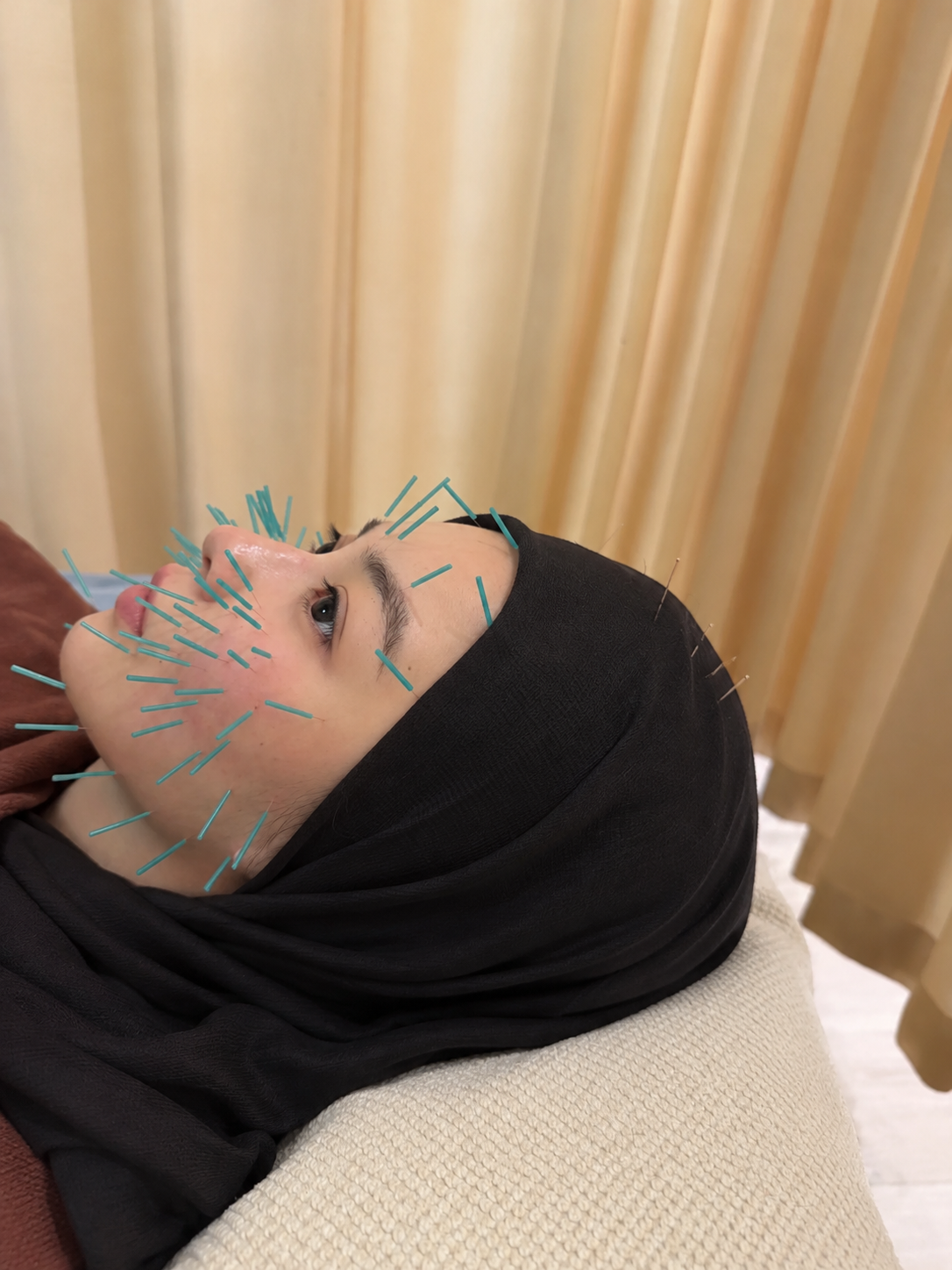
针灸 (zhēnjiǔ) refers to acupuncture and moxibustion in the broader Chinese medical tradition. Needle acupuncture involves inserting fine needles at selected points on the body.
Traditionally, practitioners describe treatment in terms of regulating qi, blood and meridian activity. These are concepts from the traditional medical framework, not established anatomical structures.
Modern research has investigated acupuncture for conditions including chronic lower-back pain, neck pain, knee osteoarthritis-related pain and some types of headache.
There is evidence of benefit for some of these conditions, although the effect varies and results are not equally strong across all diagnoses.
Who might consider it?
Someone with a specific health concern who has been appropriately assessed and wishes to discuss acupuncture as part of their treatment options with a qualified medical professional.
What should not be promised?
Guaranteed pain relief, treatment of every illness, permanent anti-aging results or immediate improvement after a single session.
What must be checked?
A licensed medical setting, appropriate practitioner qualifications, sterile single-use needles, relevant medical history and informed consent.
Acupuncture can cause complications if performed improperly, including infection and, rarely, serious internal injury.
For international travelers, another question matters: what happens if you need follow-up care after leaving the city? A medical treatment plan should not be chosen simply because there’s a spare hour between attractions.
If you’re only curious about acupuncture as a Chinese tradition, a cultural visit or educational exhibition is a better introduction than having needles inserted for no medical reason.
4. Cupping: Why the Marks Don’t Tell You Whether It Worked
拔罐 (báguàn) uses cups to create suction against the skin. Traditional Chinese explanations describe it as promoting circulation of qi and blood and relieving stagnation.
Many people associate it with muscular discomfort, especially around the back and shoulders.
But here’s an important distinction: studies suggest cupping might help some types of pain, yet the overall quality of evidence is generally limited. There isn’t enough reliable evidence to support broad claims for other health conditions.
Who might consider it?
People interested in the traditional practice who understand its uncertainties and have discussed suitability with an appropriately qualified provider.
What do the marks mean?
The round red or purple marks are effects of suction on the skin and small blood vessels. Darker marks do not prove that more toxins were removed or that the treatment was more effective.
When to be careful
Cupping may cause burns, bruising, skin damage or infection. People with bleeding disorders, those taking blood thinners, or anyone with damaged or infected skin should seek medical advice rather than treating it as a routine wellness service.
Dry Cupping vs. Hijama
Cupping is also familiar in parts of the Muslim world, but Chinese dry cupping should not automatically be described as the same procedure as Hijama.
Dry cupping uses suction without deliberately piercing the skin. Some forms of Hijama involve wet cupping, with skin penetration and blood removal.
If a traveler requests Hijama, the exact method, medical safeguards and personal religious requirements must be clarified before any arrangement.
5. Gua Sha: Traditional Body Scraping vs. Facial Beauty
刮痧 (guāshā) is traditionally performed by moving a smooth-edged tool across the skin in repeated strokes.
Traditional Chinese explanations often describe it as stimulating the channels, promoting circulation and relieving stagnation. The technique can leave visible red or purple marks, especially when applied firmly to the body.
But there’s an important difference between this and the facial gua sha you may have seen in beauty videos.
Traditional Body Gua Sha
This involves repeated scraping over areas such as the back or shoulders. It may be sought by people experiencing muscular discomfort, but high-quality evidence for broad medical benefits remains limited.
It can irritate or damage the skin. It’s not appropriate to scrape over wounds, active infections or significant skin inflammation. People with increased bruising or bleeding risk need particular caution.
Facial Gua Sha
Facial gua sha is usually much gentler. The tool glides along the skin as part of a facial or skincare routine.
For someone interested in beauty and relaxation, it can be a non-invasive option when performed appropriately.
Small studies have reported changes in certain facial measurements and muscle properties, but this is not evidence that gua sha permanently slims the face, removes toxins or replaces medical cosmetic procedures.
Who might enjoy facial gua sha?
Travelers who want a gentle facial-care experience and have skin that tolerates the technique and products being used.
Who should be cautious?
Anyone with active skin inflammation, broken skin, a recent facial procedure or conditions that increase bruising. Ask about skincare ingredients and the pressure used.
A useful rule: if you’re booking facial relaxation, you should not end up receiving invasive cosmetic treatment without a separate medical consultation and informed consent.
6. Moxibustion: Why Chinese Medicine Uses Heat
艾灸 (àijiǔ), or moxibustion, uses heat produced by burning moxa, traditionally made from mugwort, near or at selected points on the body.
In Chinese medical theory, moxibustion is associated with 温经散寒 — warming the channels and dispelling cold.
That doesn’t mean everyone who feels cold should receive moxibustion. A traditional practitioner may consider the person’s overall pattern, while modern clinical decisions also need to account for established medical conditions and safety.
Why do people seek it?
Some seek the sensation of warmth or are interested in traditional heat-based practices. Evidence for treating specific conditions varies and should not be generalized.
Who needs particular caution?
People with reduced skin sensation, damaged skin, respiratory sensitivity or conditions affected by heat or smoke. Pregnancy requires specific medical guidance, not a routine wellness recommendation.
What are the risks?
Burns, blisters, allergic reactions and smoke irritation. The procedure should never be treated as risk-free simply because it uses an herb.
For a first-time visitor who simply wants to learn about the tradition, watching an appropriate educational demonstration may be more sensible than booking a procedure.
7. What Would a Traditional Chinese Medicine Consultation Actually Involve?
One of the most interesting parts of Chinese medical practice isn’t a particular tool. It’s the way a practitioner may evaluate a person’s complaints before choosing an approach.
Traditional consultations may include asking about sleep, appetite, digestion, temperature preferences and symptoms, along with examining the tongue or pulse.
These observations form part of traditional pattern assessment. They should not be mistaken for validated replacements for medical tests, imaging or evidence-based diagnosis when those are needed.
For example, someone with shoulder discomfort after a long day at a computer is not necessarily in the same situation as someone with shoulder pain after an injury, fever, chest discomfort or new arm weakness.
A responsible provider should recognize when a symptom needs medical investigation instead of simply selling a stronger massage or another procedure.
The same caution applies to Chinese herbal medicine. Herbal prescriptions are not something to select casually from a souvenir shelf. Products may interact with medications, contain restricted ingredients or create problems when taken across international borders.
Which Chinese Cities Should You Consider?
No city is automatically the best place for every treatment. A practitioner’s qualifications, the type of service and your own needs matter more than the destination.
But different cities can fit different travel interests.
Chengdu & Chongqing — Everyday Massage and Relaxation
Both cities work well for travelers interested in Chinese leisure culture. An ordinary foot-massage appointment can fit naturally after sightseeing rather than becoming a reason to change the route.
If you’re looking for tuina, clarify whether you want non-medical bodywork or a medical consultation. The two should not be treated as the same service.
Shanghai — Facial Care and Contemporary Wellness
Shanghai is convenient for travelers interested in modern facial-care experiences alongside shopping and sightseeing.
Gentle facial gua sha and clinical cosmetic procedures are very different services. Confirm which you want and what is actually being offered.
Beijing — Acupuncture and Traditional Medical Education
Beijing offers opportunities to explore traditional Chinese medical history and educational experiences.
Anyone seeking actual acupuncture should contact an appropriate licensed medical institution rather than booking a treatment as a sightseeing activity.
Hangzhou — Herbal Traditions and Chinese Medical Heritage
Hangzhou offers an interesting cultural setting for understanding the history of traditional Chinese pharmacy and herbal medicine.
For travelers interested in the subject, exploring its medical heritage can be worthwhile even without booking treatment or buying herbs.
Our suggestion: choose the experience that fits the city already on your itinerary. Don’t add an unnecessary flight or train journey for a routine massage.
Muslim Travelers: The Details to Confirm Before Any Treatment
For Muslim travelers, choosing an appropriate technique is only part of the decision. The setting and the way the appointment is conducted can matter just as much.
Preferences vary between individuals and families. It’s better to ask each guest what they require than to assume one arrangement is suitable for everyone.
Before confirming a booking
- Therapist gender: Confirm a same-gender practitioner if requested.
- Privacy: Ask whether a separate room is available and who may enter during the appointment.
- Clothing: Confirm which body areas need to be exposed and whether the treatment can be adjusted to the guest’s preferences.
- Hijab: For facial or scalp procedures, clarify whether the head covering would need to be adjusted and whether the guest is comfortable with that arrangement.
- Products: Check oils, creams and herbal preparations when the guest has specific ingredient restrictions.
- Prayer: Arrange appointment times around the guest’s stated prayer schedule and verify any needed facilities.
An ordinary spa should not be described as halal-certified or religiously suitable without evidence. Equally, a healthcare procedure should never be assumed to be permissible or impermissible for every Muslim traveler.
Where religious questions arise, guests should follow guidance they trust. Our role in travel planning is to understand their preferences and verify practical arrangements with the provider.
If the requirements cannot be met, choosing a different experience is better than leaving someone uncomfortable or uncertain during their holiday.
How to Book Without Choosing the Wrong Service
For regular foot massage or non-medical relaxation services, Chinese booking platforms such as Dianping and Meituan can be useful for checking prices, reviews and service descriptions.
Search terms worth knowing include:
Foot massage / foot-wellness services
Tuina — confirm whether the service is non-medical or clinical
Facial care
Facial gua sha
What’s the total price?
A little gentler, please.
Please stop for a moment.
Can you arrange a therapist of the same gender?
Before paying, confirm the exact service, duration, total price, room arrangement and whether anything extra will be added.
For acupuncture or clinical treatment, use the medical institution’s registration process. Ask about practitioner qualifications, consultation fees, infection control, follow-up and the suitability of the treatment for your health.
If a provider promises to cure a long list of unrelated conditions with one treatment, or offers invasive procedures without appropriate medical assessment, consider that a reason to walk away.
Which One Would We Actually Recommend?
If you’re visiting China and simply want to unwind after sightseeing, start with a comfortable, appropriately chosen foot massage.
If you’re interested in traditional bodywork, learn about tuina and be clear about the technique and your physical condition.
If acupuncture or another medical procedure appeals to you because of a health concern, start with a proper professional assessment rather than a spa menu.
And if you’re fascinated by Chinese medical culture, you don’t need to undergo treatment to appreciate it. Traditional medical history, herbal heritage and educational experiences can be every bit as interesting.
The most authentic choice isn’t the strongest, most unusual or most expensive treatment. It’s the one that suits your needs, respects your boundaries and is provided appropriately.
Medical and Safety References
- NIH — Acupuncture: Effectiveness and Safety
- NIH — Cupping: Evidence and Safety
- NIH — Massage Therapy Research
- China — Standards for Non-Medical TCM Wellness Services
This guide explains traditional practices and current evidence for travel and cultural purposes. It is not personalized medical advice. Treatment decisions should be made with appropriately qualified healthcare professionals.